Bubble Leak Test vs Dye Penetration Test With ASTM F2096
Manufactured by Burhani Engineering Technology
Company Overview
Burhani Engineering Technology is a leading manufacturer of advanced packaging integrity testing equipment for medical, pharmaceutical, and food industries. Our solutions are designed to ensure compliance with international standards while delivering reliable, repeatable quality control.
Product Introduction
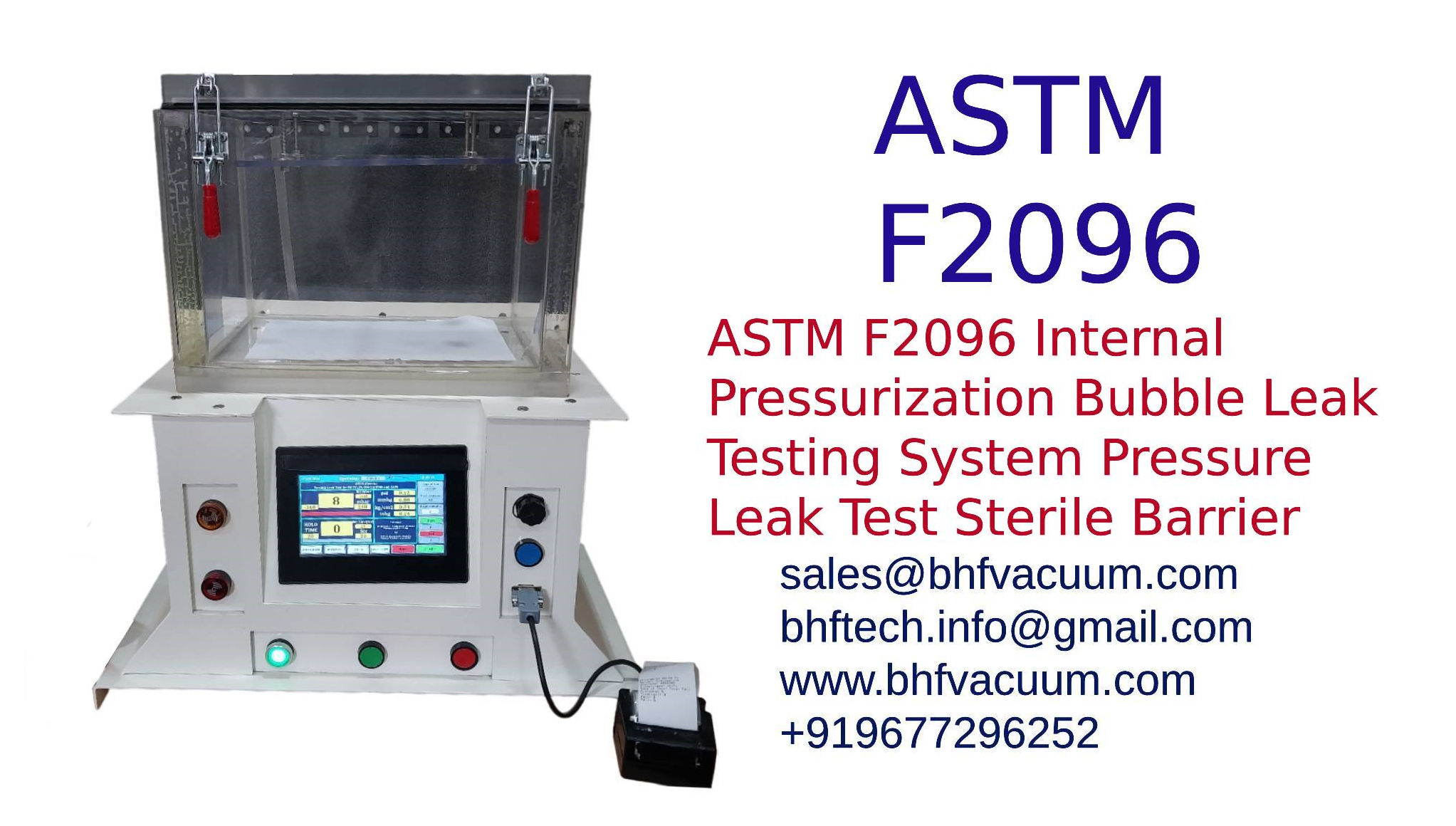
Bubble Leak Testing and Dye Penetration Testing are two complementary methods for evaluating package integrity under ASTM F2096. Both techniques detect gross leaks and seal defects in sealed packages, enabling accurate and standardized assessment of packaging quality.
Standard Compliance
The testing methods comply with ASTM F2096 – Standard Test Method for Detecting Gross Leaks in Packaging by Internal Pressurization (Bubble Test), ensuring results are internationally recognized and suitable for regulatory validation.
Testing Method Overview
Bubble Leak Test:
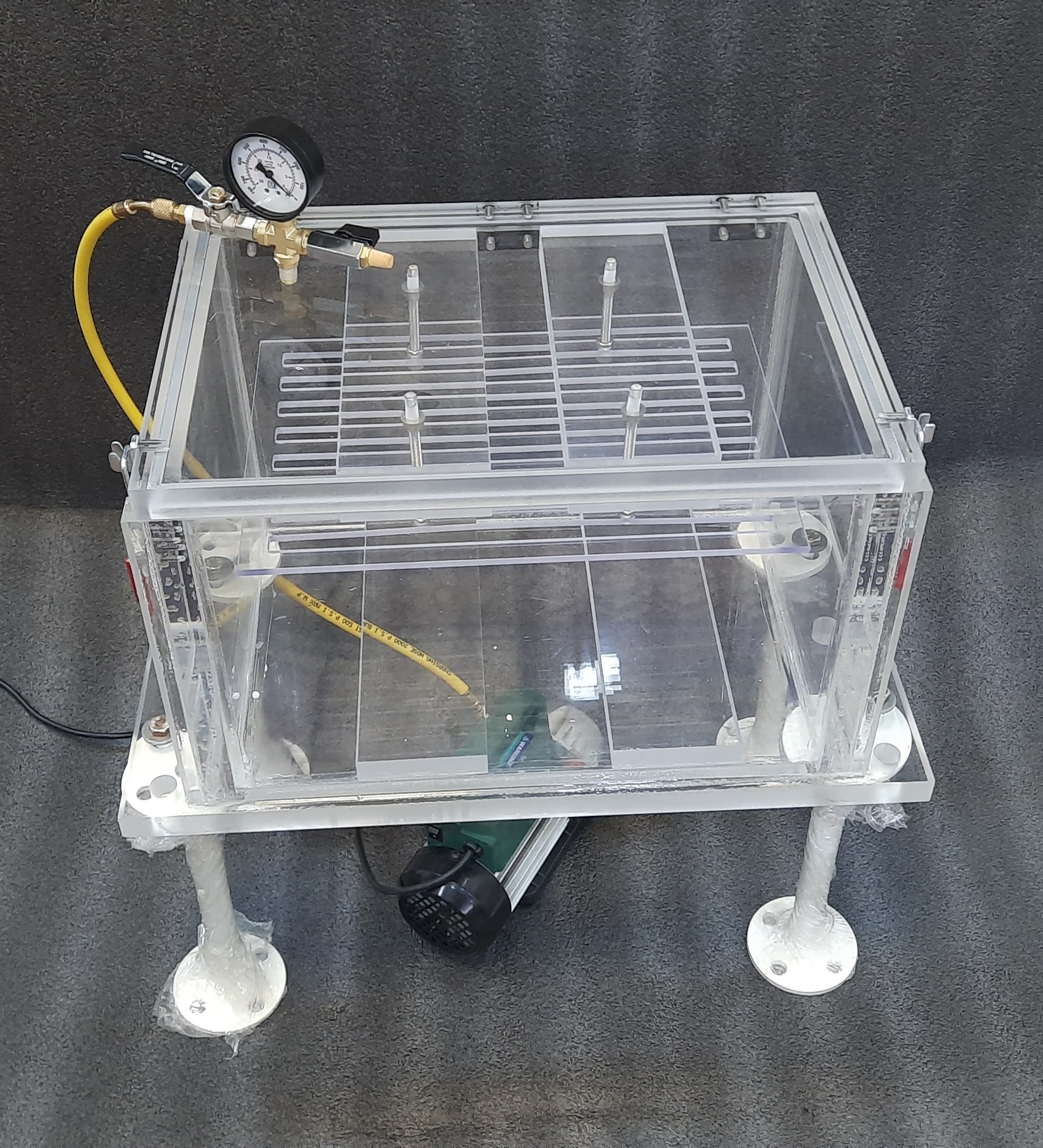
Packages are internally pressurized and submerged in a water-filled transparent chamber. Leaks are identified by the formation of visible bubbles escaping from the package. This method provides quick, clear visual detection of gross leaks and seal failures.
Dye Penetration Test:
Packages are immersed in a methylene blue dye solution while internally pressurized. Leaks are indicated by dye penetration into the package, allowing precise visual identification of defect locations. This method is particularly effective for detecting micro-channels and fine leaks not always visible with bubbles.
Key Differences
-
Detection Type: Bubble Leak Test highlights gross leaks visually, while Dye Penetration Test detects both gross and fine leaks.
-
Medium Used: Bubble Leak Test uses water; Dye Penetration Test uses methylene blue dye solution.
-
Result Interpretation: Bubble Leak Test provides immediate visual confirmation; Dye Penetration Test provides a more detailed visual mapping of leak points.
-
Applications: Bubble Leak is ideal for routine QC; Dye Penetration is used for validation, fine leak detection, and regulatory documentation.
Salient Features
ASTM F2096 compliant testing methods
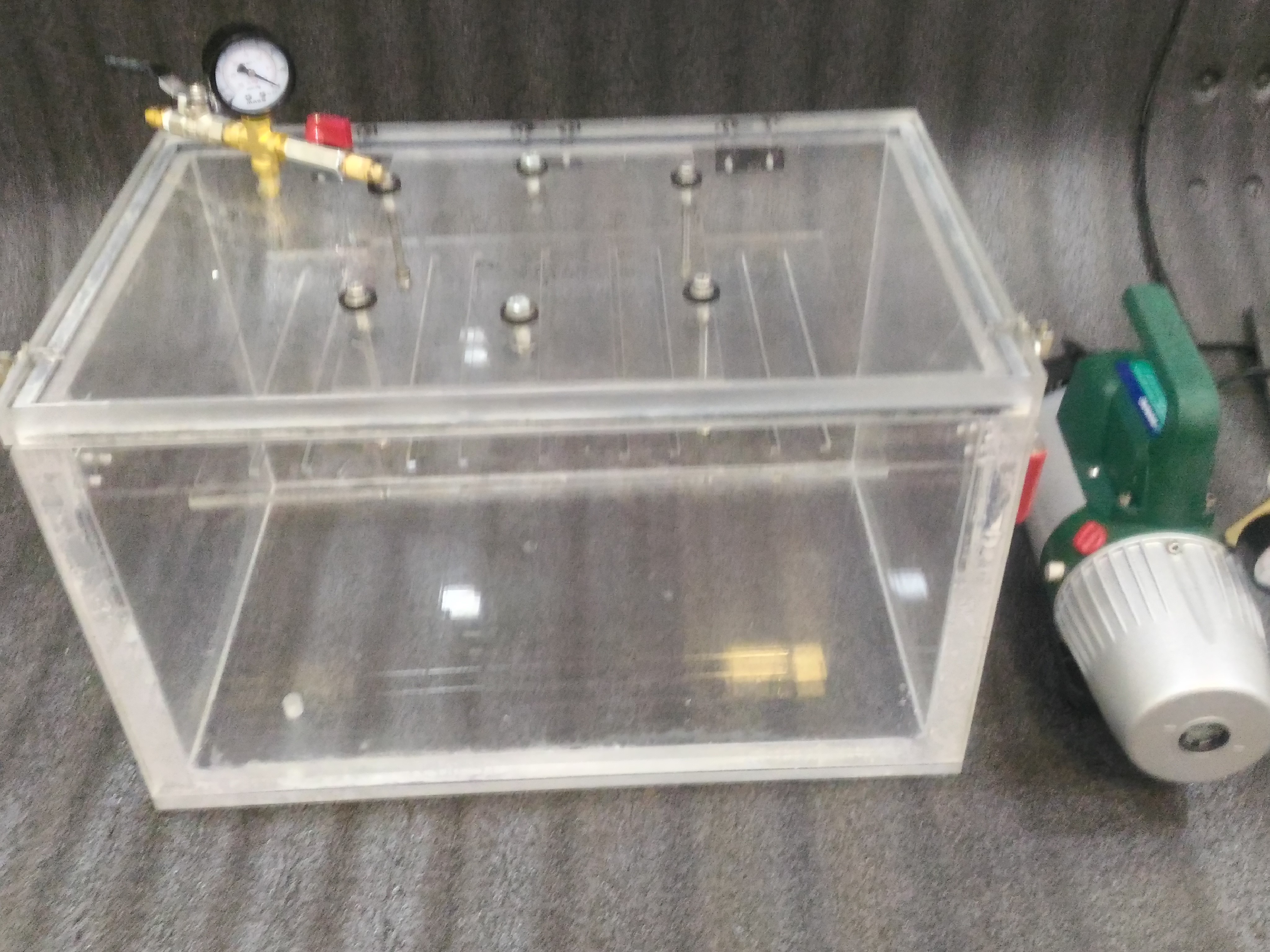
High-visibility transparent chambers
Controlled internal pressurization for repeatable results
Non-destructive or dye-based testing options
Manual and semi-automatic operation modes
Rugged design suitable for laboratory and production use
Technical Specifications
Test Methods: Bubble Leak Test and Dye Penetration Test
Standard Compliance: ASTM F2096
Chamber Material: Transparent Acrylic / Polycarbonate
Pressure Control: Adjustable and calibrated
Operation Mode: Manual / Semi-Automatic
Compatibility: Flexible, semi-rigid, and medical packaging
Benefits
Provides accurate detection of gross and fine leaks
Supports regulatory compliance and validation documentation
Improves product safety, sterility, and shelf-life
Reduces risk of product failures and recalls
Cost-effective solution for in-house quality control
Optional Customization
Burhani Engineering Technology offers digital pressure gauges, automated test cycles, data logging, custom chamber sizes, and validation-ready configurations tailored to customer requirements.
Industries Served
Medical Device Manufacturing
Pharmaceutical Packaging
Food and Beverage Packaging
FMCG Products
Quality Control and Validation Laboratories
After-Sales Support
Complete installation, operator training, calibration support, and reliable after-sales service to ensure consistent long-term performance.
Manufacturer
Burhani Engineering Technology
+91 9677296252


No comments:
Post a Comment